
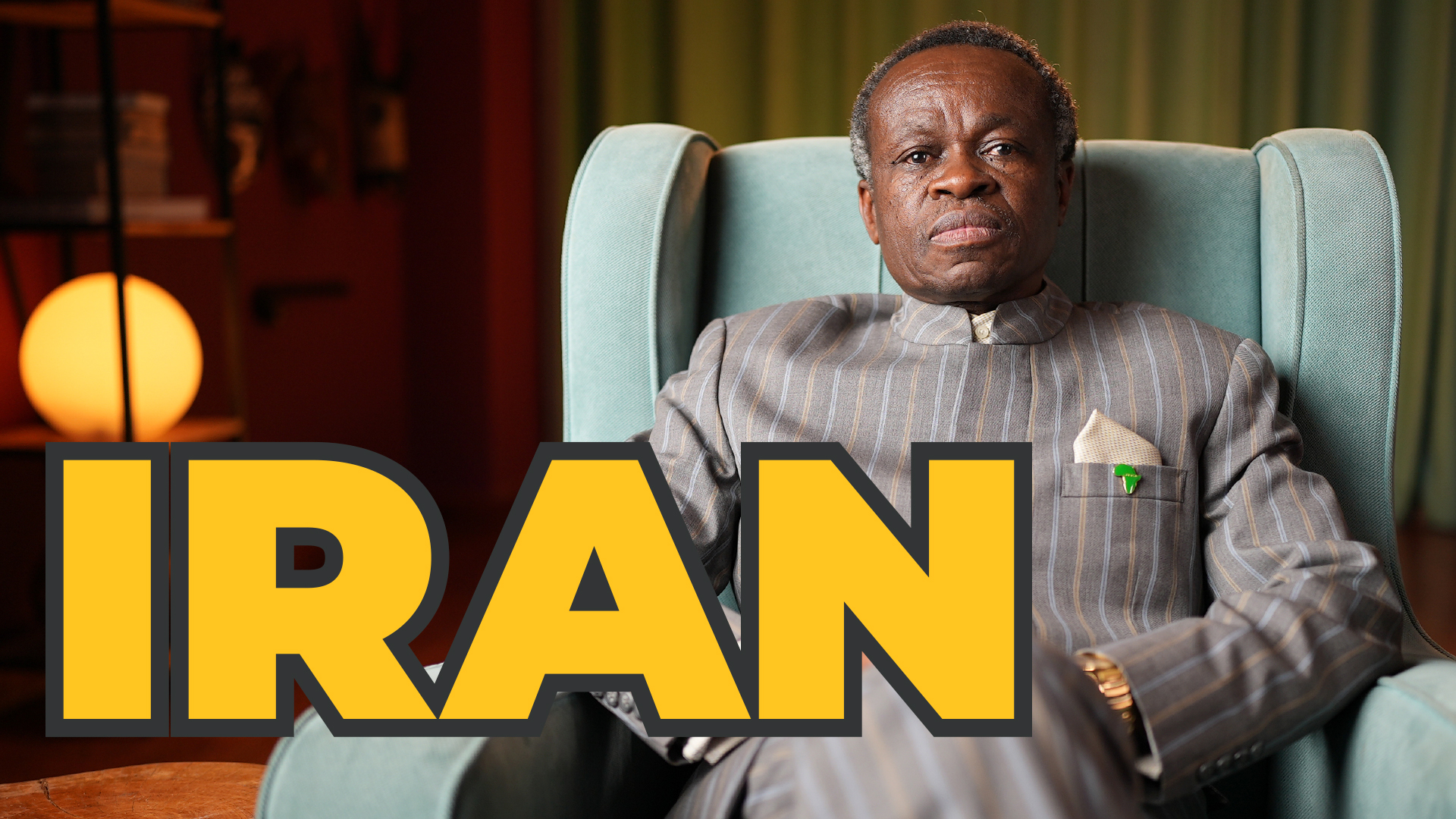

Iran today stands at a dangerous intersection of domestic unrest and external pressure.
In the latest episode of PLO Lumumba Explain, PLO Lumumba examines the unfolding crisis in Iran — a nation grappling with economic collapse, generational frustration, and mounting geopolitical tension.
A Nation Under Strain
Sanctions have severely weakened Iran’s economy. The country cannot freely sell its oil, access financial markets, or stabilize its currency. Inflation and devaluation have fueled dissatisfaction, especially among younger Iranians who believe their country should be governed differently.
Protests have continued for weeks, with demonstrators demanding economic reform and greater freedoms.
Yet, Lumumba cautions that change without structure can be dangerous. History shows that disorderly transitions often create prolonged instability rather than liberation.
The Weight of 1979
The shadow of the 1979 Iranian Revolution still looms large over US-Iran relations. The hostage crisis — in which American diplomats were held for 444 days — remains a symbolic wound in Washington’s memory.
According to Lumumba, this “unfinished business” influences present tensions.
Israel’s Strategic Calculation
Israel views Iran as its primary regional threat, particularly regarding nuclear capability. During the 12-day war in 2025, missiles struck Israeli territory in an unprecedented escalation.
For Israeli leadership, neutralizing Iran’s regime could eliminate what they perceive as an existential threat.
The Risks of Regime Change
Lumumba warns that removing Iran’s leadership could create a vacuum similar to what followed the fall of Saddam Hussein in Iraq.
Power vacuums often lead to fragmentation, militias, and prolonged instability.
Such a development would not only affect Iran but reshape the Middle East — particularly Yemen, Hezbollah, Lebanon, and Syria.
International Law and Selective Enforcement
A recurring theme in Lumumba’s analysis is the selective enforcement of international law. He argues that powerful nations often operate outside the constraints they impose on others.
This double standard, he suggests, fuels resentment and resistance.
A Path Toward Detente?
Despite the hostility, Lumumba notes that adversaries in history have often found paths to accommodation.
Iran has previously engaged in nuclear negotiations, asserting its enrichment programs are for civilian purposes. Israel and Iran remain adversaries, but fatigue from conflict may create space for structured diplomacy.
Conclusion
Iran’s crisis reflects deeper global shifts in power and legitimacy.
Whether the future brings reform, regime change, or confrontation, the consequences will extend far beyond Tehran.
The Middle East stands at a delicate moment — one miscalculation away from broader conflict.
Watch the full episode here:
https://youtu.be/WDICpUHO63w


Leave a Reply