
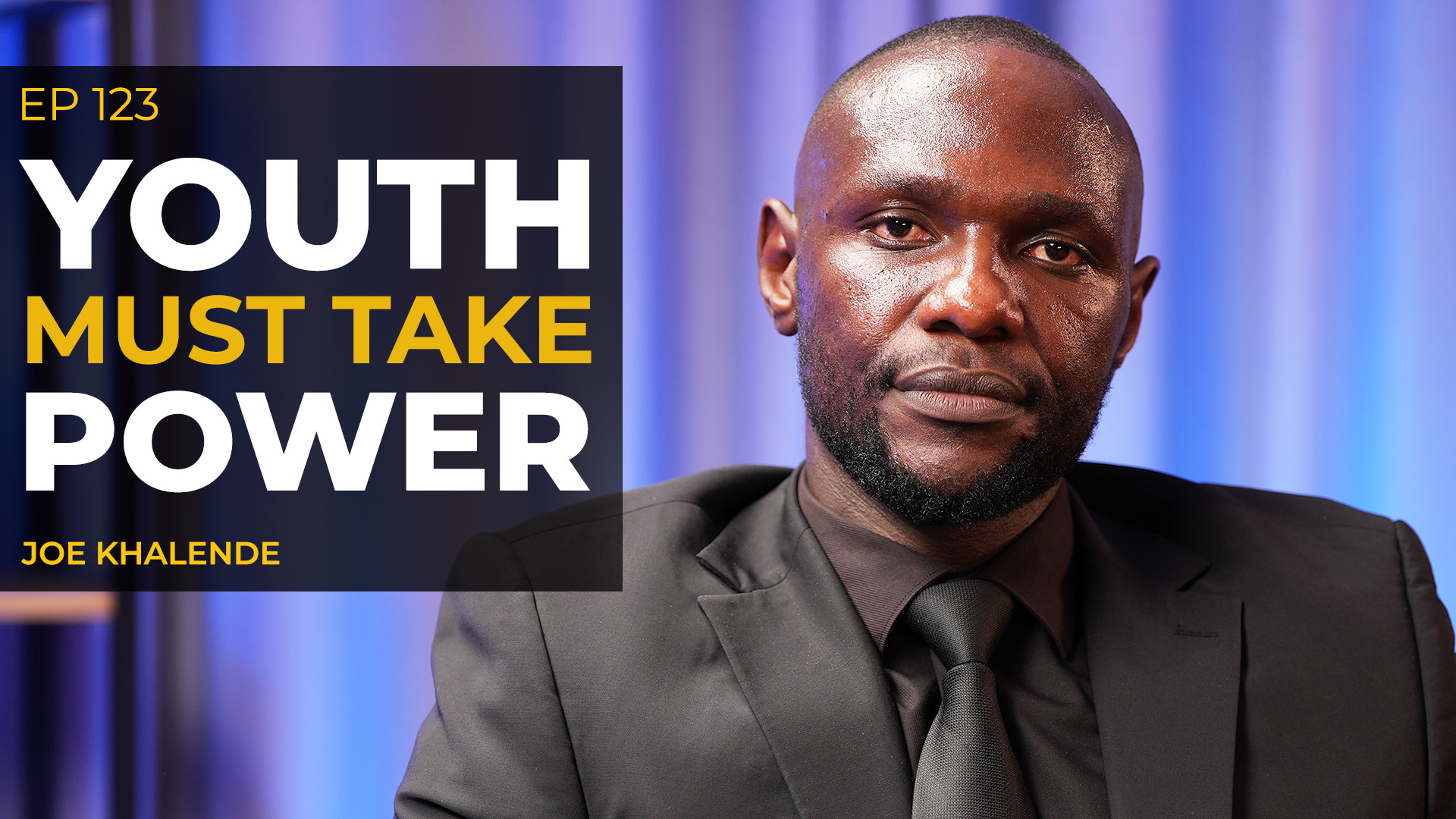

Kenya’s political future will largely be shaped by its youth, and according to advocate Joe Khalende, the time has come for young people to step forward and claim their rightful place in leadership.
In a compelling episode of Fanya Mambo Africa, Khalende — a High Court advocate and founding member of the United Democratic Alliance (UDA) party — discusses the intersection between politics, youth leadership, and national development. He argues that Kenya cannot progress without the active participation of its largest demographic: young people.
The discussion also explores President William Ruto’s development agenda, the role of infrastructure in economic growth, and why Khalende believes Kenya has the potential to move from a third-world to a first-world nation.
Youth Must Fight for Their Space in Politics
Khalende emphasizes that while Kenya’s Constitution recognizes the role of youth in governance, political power will never simply be handed over.
“Young people must work for their place in leadership. We cannot expect power to be given to us on a silver platter,” he explains.
According to Khalende, many of today’s senior political leaders built their influence through years of grassroots mobilization, political organization, and public engagement. The same dedication, he argues, is required from the current generation of young leaders.
With youth forming the majority of Kenya’s population, their participation in politics could dramatically reshape the country’s governance landscape.
The National Infrastructure Fund: A Potential Game-Changer
A major focus of the conversation is the National Infrastructure Fund, a policy initiative supported by President Ruto’s administration.
Khalende describes the fund as a transformative mechanism designed to accelerate development projects across the country while attracting private investment.
“Infrastructure is an enabler of economic growth,” he explains. “When you invest in infrastructure, you reduce the cost of transport, stimulate industrial growth, and improve the cost of living.”
The fund aims to finance large-scale projects such as roads, housing developments, energy infrastructure, and industrial zones.
Supporters of the initiative believe it could help Kenya achieve faster economic expansion and attract international investors.
Addressing the Trust Deficit in Government Programs
Despite his optimism about the National Infrastructure Fund, Khalende acknowledges that public trust in government initiatives remains fragile.
Kenya has experienced numerous corruption scandals and failed public projects, creating skepticism among citizens whenever new programs are introduced.
“There has been a trust deficit with government programs,” he admits.
However, Khalende argues that the proposed structure of the infrastructure fund includes safeguards meant to prevent political interference and corruption.
These safeguards include strict oversight mechanisms, transparency requirements, and compliance with Kenya’s Public Finance Management laws.
Political Parties and the Role of Ideology
The conversation also touches on the nature of political parties in Kenya.
Khalende argues that many political parties have historically been built around personalities or ethnic alliances rather than clear ideological frameworks.
He believes Kenya must move toward issue-based politics where parties compete based on ideas, policies, and national development strategies rather than tribal arithmetic.
Political institutions, he says, must evolve into democratic platforms that outlive individual leaders.
Leadership and the Future of Kenya
Beyond policy discussions, Khalende shares his personal political ambitions and experiences in Kenyan politics.
Having contested in the previous elections, he explains that leadership requires persistence, strategy, and community engagement.
He believes Kenya’s future will depend on leaders who prioritize national development over personal political gain.
For Khalende, the ultimate goal is simple: a Kenya where economic opportunity, infrastructure, and governance systems work for the benefit of every citizen.
A Call for Youth Participation
The message of the episode ultimately returns to one key theme — youth participation.
Khalende challenges young Kenyans not only to vote but to actively participate in shaping political discourse, building institutions, and holding leaders accountable.
“If young people want change, they must step forward and become the change themselves.”
With Kenya approaching future electoral cycles, the role of youth in determining the country’s direction may prove decisive.

Leave a Reply