
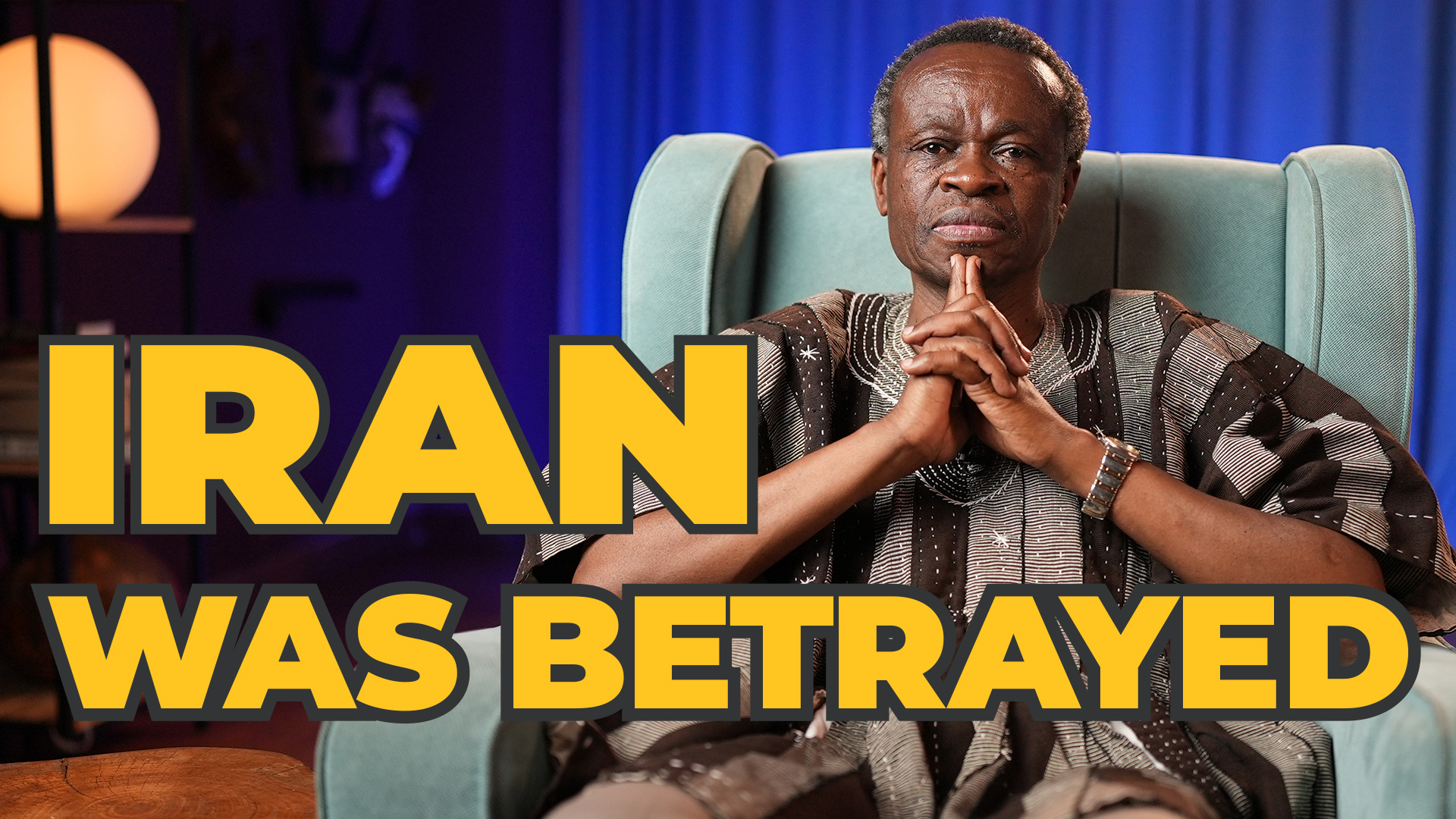

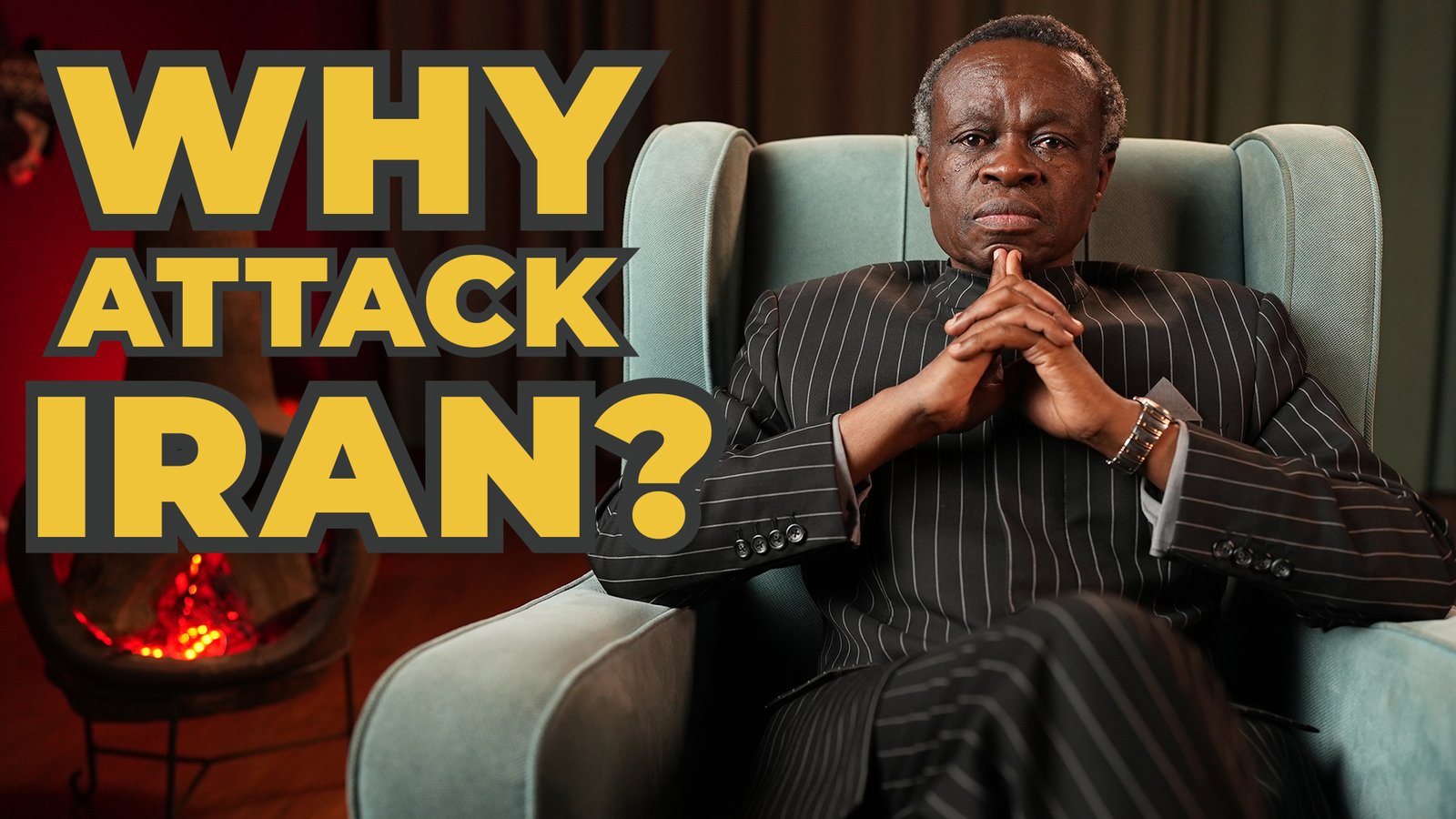
In the latest episode of PLO Lumumba Explain, PLO Lumumba delivers a sweeping geopolitical analysis of the escalating tensions between Iran, Israel, and the United States. What he presents is not merely a war narrative — but a deeper story of unfinished business, regime change ambitions, humiliation politics, and a Middle East standing on the brink of wider instability.
According to Lumumba, the current crisis cannot be understood without historical context. And that context begins long before the recent military escalation.
1979: The Humiliation That Never Ended
Lumumba argues that to understand today’s hostility toward Iran, one must revisit 1979 — the year of the Iranian Revolution and the hostage crisis that humiliated the United States.
The 444-day siege of the U.S. embassy in Tehran remains deeply embedded in American political memory. In Lumumba’s view, Washington has never truly forgiven that humiliation. The sanctions, diplomatic isolation, and repeated accusations of terrorism sponsorship form part of what he describes as “unfinished business.”
Operation Epic Fury, as the Americans call it, is not simply about nuclear weapons or regional security. Lumumba suggests it is about concluding a chapter that began decades ago.
Negotiation or Deception?
A central argument in the episode is that the United States, under President Trump, cannot be trusted in negotiations.
Lumumba questions the sincerity of diplomatic talks that were ongoing while military assets were simultaneously being positioned in the region. If negotiation occurs alongside military escalation, he asks, was peace ever the true objective?
He suggests that the attack on Iran’s leadership during an active negotiation phase sends a dangerous global message — not only to Iran, but also to Russia, China, and any country engaging Washington diplomatically.
If one can be attacked mid-negotiation, what value does diplomacy hold?
Israel’s Strategic Calculation
From Israel’s perspective, Lumumba argues, Iran represents the only viable long-term regional threat.
Unlike fragmented regional actors, Iran possesses:
- A large population
- Advanced missile capabilities
- Expanding drone technology
- Growing influence through proxy networks
The 12-day conflict in 2025 demonstrated, for the first time, that Iranian-linked strikes could land directly in Israeli territory.
For Tel Aviv, neutralizing Iran is not merely strategic — it is existential.
But Lumumba warns: removing leadership does not eliminate ideology. History shows that humiliation rarely produces lasting peace.
The Regime Change Trap
Lumumba cautions that regime change often creates more chaos than stability.
He references Iraq after Saddam Hussein, Libya after Gaddafi, and Afghanistan after decades of intervention. Removing leadership without securing institutional stability can leave a vacuum — and vacuums breed extremism.
Iran, he argues, is not a weak state with shallow institutions. It is a deeply structured political and religious system. Eliminating one leader does not guarantee systemic collapse.
Instead, it could produce:
- Internal fragmentation
- Radicalized resistance movements
- Regional spillover conflicts
In Lumumba’s assessment, the Middle East is already volatile. Further destabilization could ignite a chain reaction.
The Sunni–Shia Divide: A Dangerous Calculation
Lumumba raises a controversial but critical question: Is there an attempt to deepen Sunni–Shia divisions for geopolitical advantage?
If Iran (Shia-led) is weakened, Sunni-majority powers such as Saudi Arabia gain relative leverage. But if sectarian tension escalates, the region risks broader instability.
The fragmentation of the Islamic world could temporarily benefit outside powers. However, history suggests that divided regions eventually produce long-term insecurity for everyone involved.
The China Factor
Another dimension Lumumba highlights is the economic chessboard.
Iran sits along critical oil supply routes. Disruption in the Strait of Hormuz affects global markets. China — a major energy importer — is particularly vulnerable to oil supply instability.
Lumumba suggests that destabilizing Iran may also be part of a larger economic containment strategy aimed at Beijing.
If oil becomes more expensive for China, its manufacturing base suffers. But economic warfare rarely remains contained. It reverberates globally.
The Nuclear Risk
Perhaps Lumumba’s most sobering warning concerns nuclear escalation.
Israel is widely understood to possess nuclear capability. Iran is accused of pursuing it.
If confrontation intensifies and one side deploys a nuclear device — even tactically — the geopolitical landscape changes permanently.
This is the line that must never be crossed.
A World Order in Crisis
At the heart of Lumumba’s argument is a broader critique: international law as conceived after 1945 appears increasingly weakened.
The United Nations, the Geneva Conventions, the International Criminal Court — all were built to prevent unilateral war.
Yet unilateral actions continue.
If powerful nations act outside multilateral frameworks, smaller states lose protection. And when law weakens, power dominates.
Is There a Path to Peace?
Despite the grim assessment, Lumumba does not dismiss the possibility of détente.
He notes:
- Iran’s economy needs relief.
- Israel seeks long-term security.
- Regional actors fear sustained conflict.
- Even the United States faces domestic political pressure.
Sustainable peace, however, cannot be built on humiliation. It must be negotiated with respect, balance, and strategic realism.
Final Reflection
Iran, Israel, and the United States are locked in a complex web of history, power, ideology, and fear.
Lumumba’s core warning is clear:
Peace imposed by force may appear victorious in the short term — but in the long term, it creates resistance.
The Middle East stands at a crossroads. The choices made now will echo for decades.

Leave a Reply