
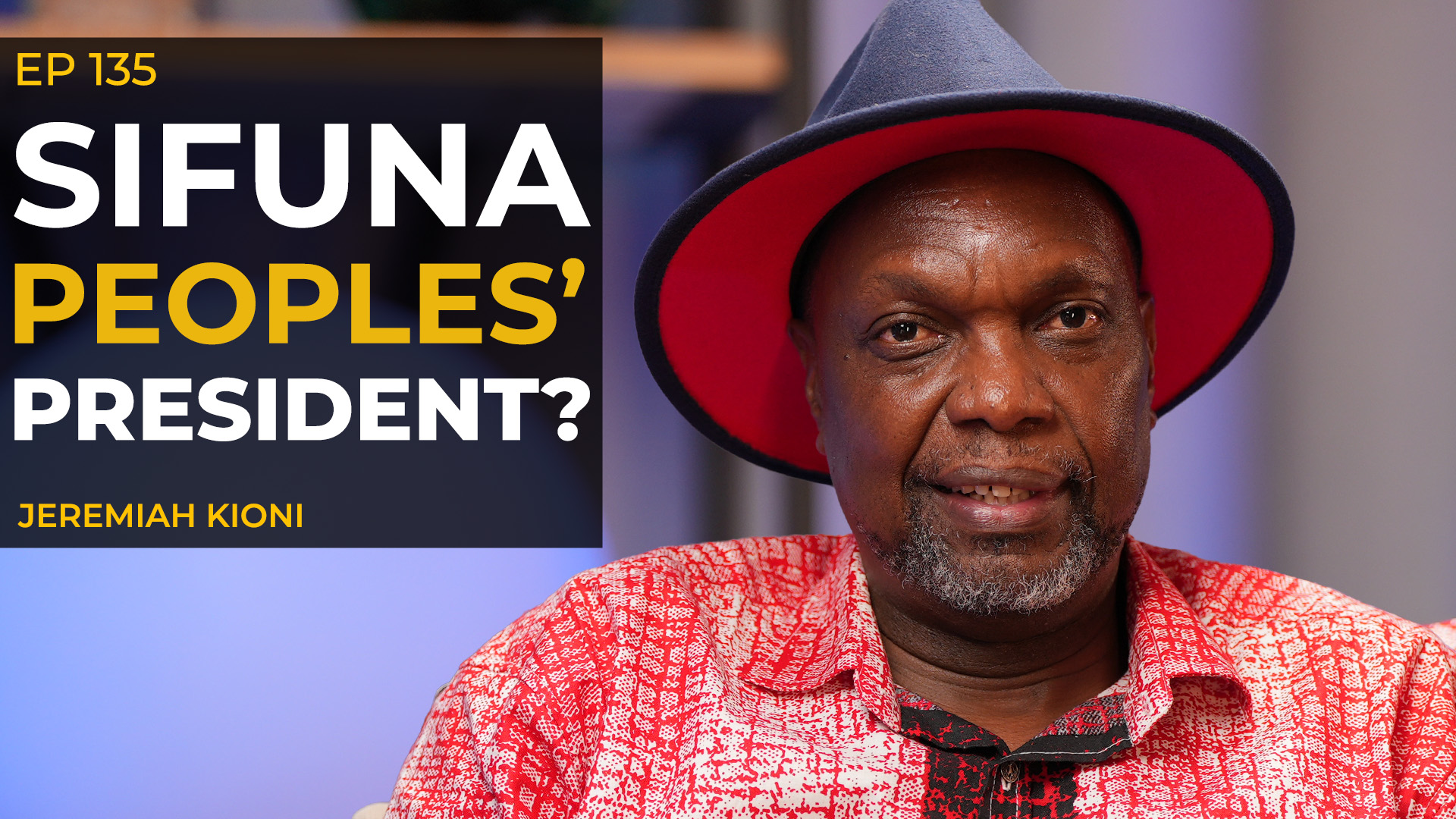

Kenya’s political landscape is entering a decisive phase ahead of the 2027 elections, and new voices within the opposition are beginning to reshape the conversation. In a candid and revealing discussion, Jeremiah Kioni, Deputy Party Leader of Jubilee Party, offers a bold assessment of opposition politics, leadership dynamics, and the urgent need to reconnect with citizens.
His message is clear: Kenya’s opposition must evolve—or risk becoming irrelevant.
A New Generation of Leadership Is Emerging
One of the most striking parts of Kioni’s remarks is his recognition of rising young leaders, particularly Edwin Sifuna. According to Kioni, figures like Sifuna represent a shift toward more energetic, relatable, and people-driven politics.
He emphasizes that Kenya’s political future will not be shaped in elite circles alone, but by leaders who can:
- Speak directly to citizens
- Engage on real issues
- Inspire trust among the youth
Kioni believes this new wave is already winning the hearts of Kenyans, especially younger voters who are increasingly demanding authenticity over rhetoric.
Boardroom Politics vs. Ground Reality
Kioni does not hold back in criticizing what he calls “boardroom politics”—a style of leadership detached from the everyday struggles of citizens.
He argues that many opposition leaders spend too much time:
- Negotiating alliances behind closed doors
- Prioritizing power arrangements over public engagement
- Ignoring the real concerns of ordinary Kenyans
“Leadership must leave the boardroom and go to the people.”
For Kioni, the solution is simple but demanding:
Get back to the ground. Listen. Engage. Respond.
Rigathi Gachagua and the Survival of the Opposition
In a surprising twist, Kioni credits former Deputy President Rigathi Gachagua with reviving opposition politics in Kenya.
While Gachagua remains a controversial figure, Kioni argues that his actions have:
- Re-energized political debate
- Forced opposition leaders to reorganize
- Prevented the complete collapse of alternative voices
This perspective highlights a key reality in Kenyan politics:
conflict and competition often drive renewal.
The Opposition’s Biggest Challenge
Despite signs of revival, Kioni warns that the opposition still faces a fundamental problem:
👉 Lack of a clear, unified agenda
He stresses that criticizing the government is not enough. To gain public trust, opposition leaders must:
- Offer practical solutions to economic challenges
- Present a clear vision for governance
- Demonstrate credibility beyond political rhetoric
Without this, even the most energized movements risk losing momentum.
Youth Energy Will Decide 2027
Kioni repeatedly returns to one central idea:
the youth will determine Kenya’s political future.
With increasing political awareness and engagement, young voters are no longer passive observers. They are:
- Questioning leadership more aggressively
- Demanding accountability
- Seeking leaders who reflect their realities
This shift means that traditional political strategies may no longer work.
A Turning Point for Kenyan Politics
As Kenya moves closer to the 2027 elections, Kioni’s message serves as both a warning and a roadmap:
- The opposition must modernize
- Leaders must reconnect with citizens
- Ideas—not insults—must drive politics
If these changes happen, Kenya could see a more issue-based, citizen-driven political era. If not, the cycle of disconnection between leaders and the people may continue.
Final Thoughts
Jeremiah Kioni’s remarks highlight a political system at a crossroads. With new leaders emerging, old strategies being challenged, and citizens demanding more, the next few years will be critical.
The real question is no longer just who will lead Kenya, but:
Will Kenya’s leaders finally listen to its people?

Leave a Reply