
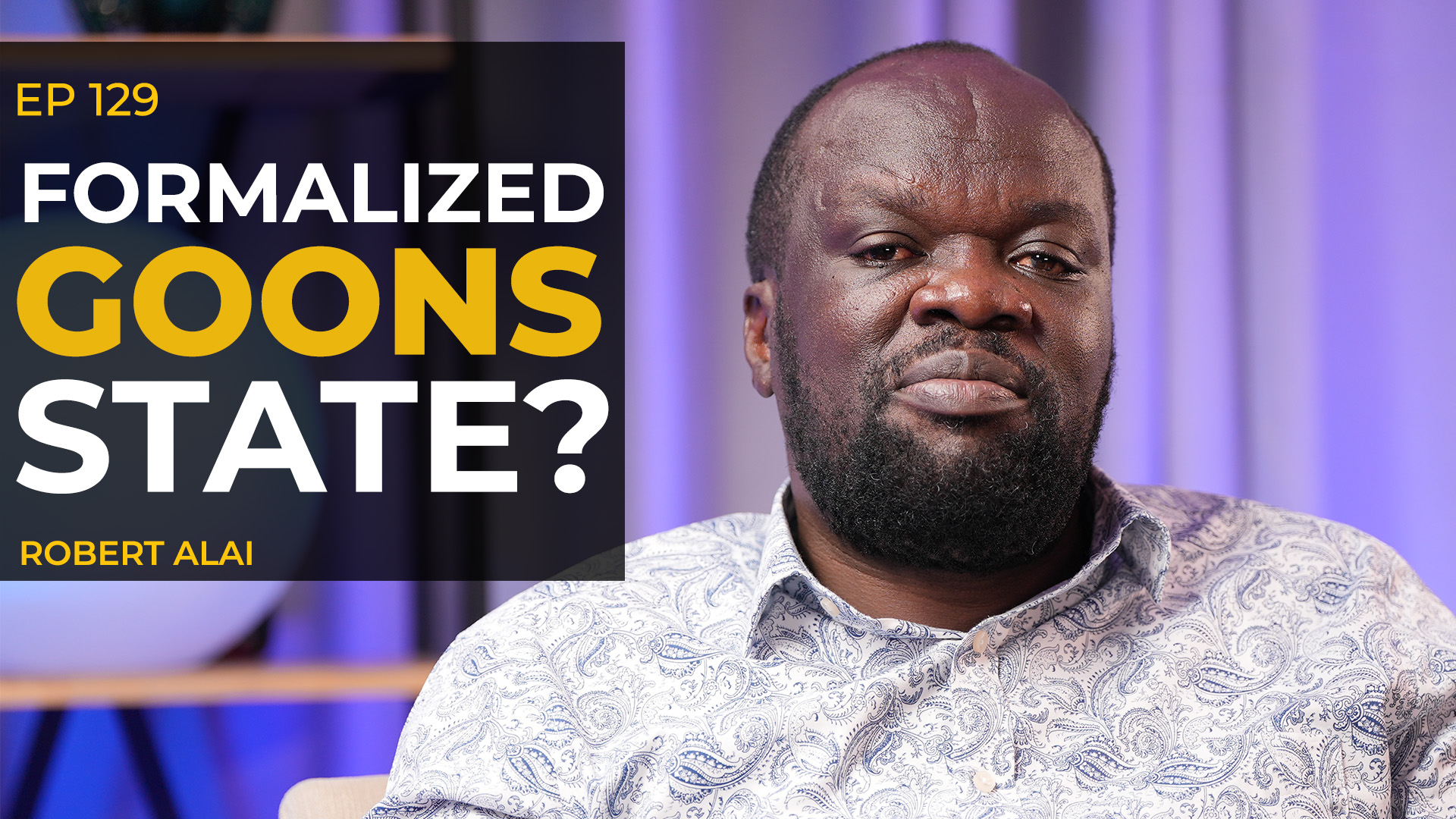

Kenya’s political landscape is facing a growing crisis—one that goes beyond elections, rhetoric, or party rivalries. In a powerful and unfiltered conversation, Kileleshwa MCA Robert Alai exposes a deeper structural problem: a country where insecurity, corruption, and poor governance are becoming normalized.
From the rise of political goons to failing policing systems and chaotic urban planning in Nairobi, Alai paints a troubling picture of a system that is slowly eroding.
The Rise of “Goons” in Kenyan Politics
One of the most controversial claims made by Robert Alai is that goons are now part of Kenya’s informal economy—a symptom of deeper failures in governance and security.
According to Alai, politicians are increasingly forced to rely on large groups of young men for protection and influence. These groups, often dismissed as “goons,” are filling a vacuum left by an under-resourced police force.
Instead of formal security structures, politicians and even public figures now depend on informal networks for survival, raising serious concerns about the future of law enforcement in Kenya.
Police Failure: Understaffed, Under-equipped, Overwhelmed
Alai highlights a critical issue that often gets ignored in public discourse:
Kenya simply does not have enough properly equipped police officers.
He argues that:
- Police lack modern tools and training
- Officers are overstretched across multiple responsibilities
- There is no integrated security infrastructure
- Response systems are slow and ineffective
This failure has created an environment where crime adapts faster than enforcement, forcing citizens—and politicians—to find alternative means of protection.
Corruption in Nairobi: The Root of Urban Chaos
Perhaps the most alarming part of the discussion is the scale of corruption within Nairobi’s governance.
Alai explains how illegal developments continue unchecked, often approved through bribery and weak enforcement systems. The result?
- Overcrowded neighborhoods
- Strained infrastructure
- Poor drainage systems
- Increased flooding across the city
He warns that Nairobi is slowly turning into an unplanned urban disaster, where every new building devalues the city’s structure and worsens living conditions.
Nairobi Floods: A Disaster Created by Leadership Failure
Flooding in Nairobi is not just a natural problem—it is a governance problem.
Alai links the recurring floods directly to:
- Illegal construction on waterways
- Lack of urban planning
- Failure to enforce zoning laws
- Weak county-level decision-making
Without systemic reforms, he argues, floods will continue to destroy property, livelihoods, and public trust.
ODM Politics and Leadership Uncertainty
On party politics, Alai maintains that ODM will survive internal turmoil, but raises a deeper concern about Kenya’s future leadership.
His key worry:
The eventual exit of leaders like Raila Odinga and William Ruto may leave a vacuum filled by leaders who lack a deep understanding of Kenya.
He emphasizes that leadership in Kenya must go beyond popularity and political alliances—it must be rooted in real knowledge of the country, its people, and its challenges.
A Call to Kenyan Voters: Choose Leaders Who Understand Service
At the heart of Alai’s message is a direct challenge to Kenyans:
Vote for leaders who understand public service—not just politics.
He urges citizens to:
- Focus on competence over popularity
- Demand accountability at county and national levels
- Participate more actively in governance
- Think long-term about leadership choices
Kenya at a Crossroads
This conversation reflects a broader truth:
Kenya is not just facing political competition—it is facing a governance crisis.
From informal security systems to corruption-driven urban decay, the country must confront difficult questions:
- Can institutions be rebuilt?
- Can leadership be redefined?
- Can citizens demand better—and get it?
The answers will shape Kenya’s future far beyond the next election.

Leave a Reply