
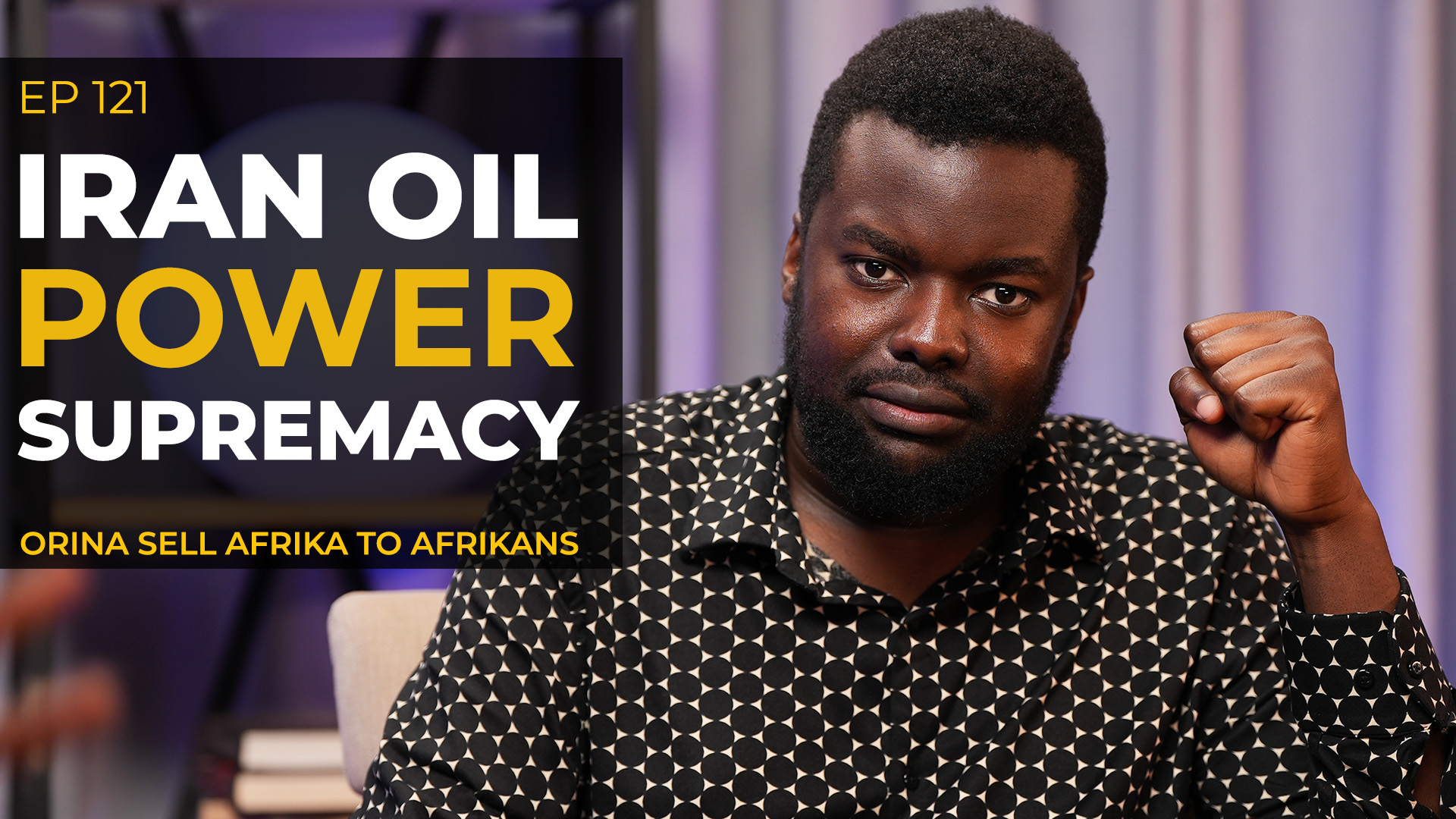

As tensions escalate in the Middle East between Iran, the United States, and Israel, debates around global alliances and geopolitical interests have intensified. But according to Pan-African thinker Orina of Sell Afrika to Africans, Africa must resist the pressure to pick sides in conflicts that do not directly serve the continent’s interests.
Speaking on Fanya Mambo with Sarah Mwangi, Orina delivered a passionate call for African leaders and citizens to shift their focus away from foreign wars and toward building a unified, self-sufficient African superpower.
Africa Should Not Choose Sides in Foreign Wars
Orina argues that Africans should analyze global conflicts but avoid taking political sides.
According to him, Africa already faces numerous challenges that require urgent attention. Conflicts in the Democratic Republic of Congo, instability in Somalia, insecurity in Nigeria, and economic struggles across the continent demonstrate that Africa has its own battles to fight.
Instead of defending the interests of global powers, Orina believes Africa must concentrate on solving its internal problems.
He warns that when African leaders openly align themselves with foreign powers in global conflicts, they often do so at the expense of their own people.
The Geopolitics Behind the Iran–US Conflict
During the conversation, Orina traced the roots of the Iran–US tensions back to the early 20th century, when Iran discovered vast oil reserves. Western powers, particularly Britain and later the United States, played a significant role in controlling Iran’s oil industry.
In 1953, Iran’s Prime Minister Mohammad Mossadegh was overthrown in a CIA-backed coup after attempting to nationalize Iranian oil. The move restored the Western-aligned Shah of Iran to power.
That decision, Orina argues, laid the foundation for decades of hostility between Iran and the West.
He believes that today’s conflict is driven by four main factors:
Nuclear power politics – The US and its allies claim Iran is developing nuclear weapons, which Tehran denies.
Energy interests – Iran is a major oil supplier, particularly to China, making it strategically important in global energy competition.
Regional power dynamics – Israel views Iran as a major threat and seeks to weaken its influence in the Middle East.
Global dominance – According to Orina, the US seeks to maintain its position as the world’s dominant power.
Africa Must Focus on Its Own Problems
Orina strongly criticized African governments that quickly take sides in foreign conflicts while neglecting crises at home.
He points out that Africa continues to face major security and economic challenges. The conflict in eastern Congo, persistent insurgency in parts of Nigeria, and instability in Sudan are all urgent issues that demand African attention.
For him, the priority should be strengthening African unity rather than engaging in geopolitical disputes between global superpowers.
Pan-Africanism as the Path Forward
Throughout the discussion, Orina emphasized that Africa must embrace Pan-Africanism as a strategy for independence and prosperity.
He proposed several steps that African leaders should prioritize:
- Integrating African economies
- Removing colonial borders that hinder trade and movement
- Creating stronger regional political alliances
- Investing in agriculture and mineral resources
- Developing African industries and infrastructure
According to him, Africa has the natural resources and human capital necessary to become a global superpower.
However, that potential can only be realized if African nations work together instead of remaining divided and dependent on external powers.
A Call for African Neutrality
Orina’s final message was clear: Africa should remain neutral in global conflicts like the Iran–US–Israel confrontation.
Rather than rallying behind foreign powers, he believes Africans must invest their energy into building a stronger continent.
If Africa can unite economically, politically, and socially, he argues, the continent will eventually emerge as one of the world’s major global powers.
Until then, he says, Africa should focus on solving its own challenges instead of fighting other people’s battles.

Leave a Reply