
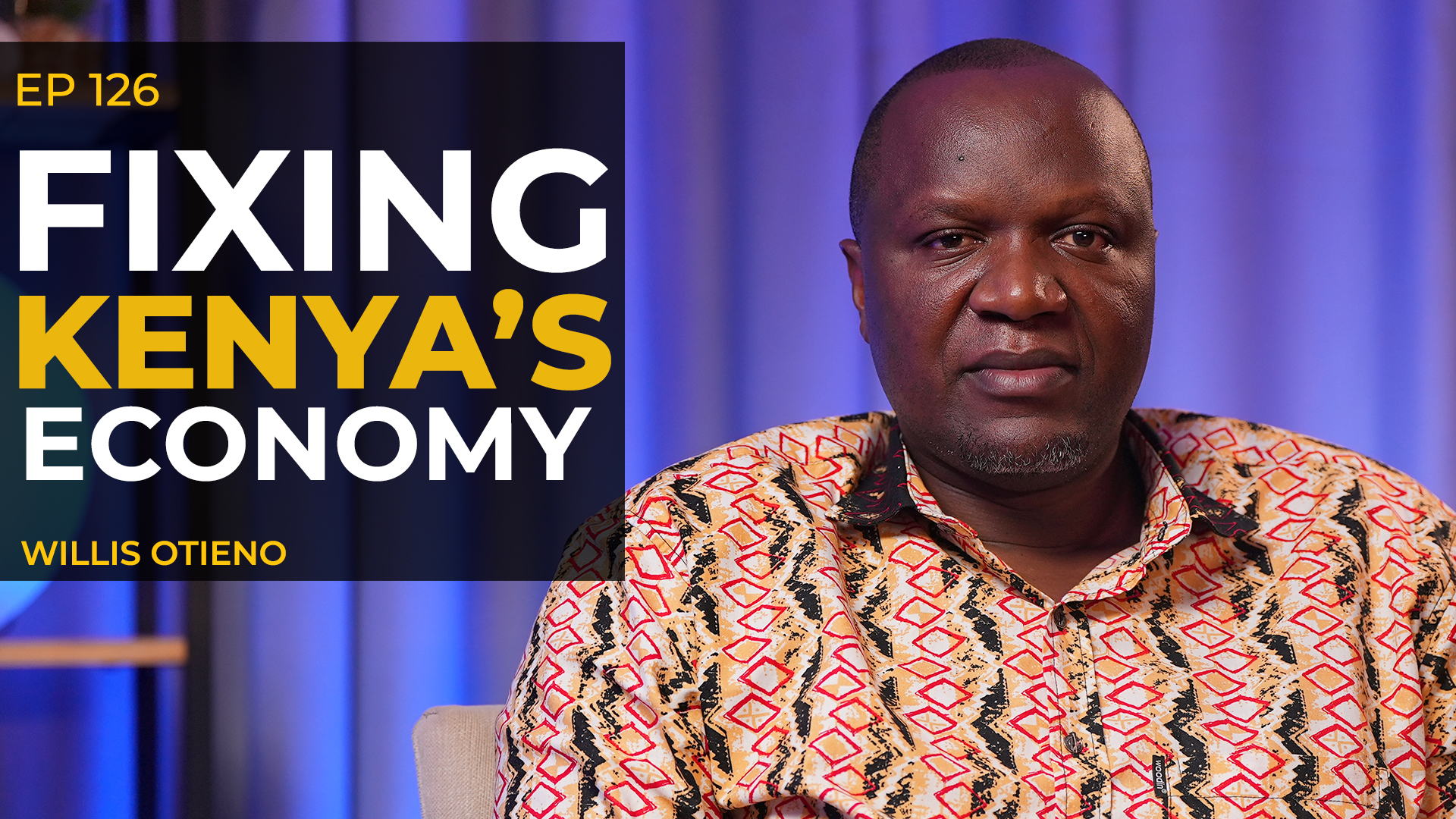

Kenya’s economic reality is becoming harder to ignore.
From rising taxes and the high cost of living to struggling healthcare systems and limited access to education, many Kenyans are asking the same question: where is the money going?
In a powerful conversation on Mambo Africa, advocate Willis Otieno offers a blunt and deeply critical answer — Kenya is trapped in what he describes as a “hidden looting scheme” driven by debt, bad policy, and failed leadership.
Why Kenyans Feel Poorer Every Year
According to Otieno, the core issue is not just poor governance — it is a systemic economic structure that drains citizens’ resources.
He explains that the government continues to increase:
- taxes
- levies
- charges
not to improve public services, but to sustain debt obligations and government spending.
“Every year they come with a new finance bill because they are reading your pockets.”
This, he argues, is why many Kenyans feel that despite working harder, they are left with less disposable income.
The Debt Crisis: Kenya’s Biggest Problem
One of the most striking points raised in the discussion is the scale of Kenya’s debt burden.
Otieno claims that:
- A huge portion of tax revenue goes toward debt repayment
- The country is spending more servicing debt than investing in development
- Many citizens do not even know what the debt financed
He raises a critical question:
“What are we paying for?”
The implication is clear — if the debt does not translate into visible infrastructure or services, then it becomes a burden without benefit.
Hidden Looting Through Debt and Projects
Otieno goes further to argue that debt is not just mismanaged — it is sometimes used as a vehicle for corruption.
He suggests that:
- Loans are taken without proper oversight
- Some funds never reach real projects
- Citizens are left to repay money that did not benefit them
This, he says, is the essence of the “hidden looting scheme” — where public borrowing becomes a tool for private enrichment.
Privatization: Reform or Risk?
Another major issue discussed is the privatization of state agencies.
Otieno strongly criticizes the move to privatize profitable public institutions, arguing that:
- It reduces long-term public revenue
- It benefits a small group of individuals
- It weakens state control over key economic sectors
Instead of selling profitable entities, he suggests improving efficiency while keeping them under public ownership.
Access to Capital: The Missing Link in Kenya’s Economy
A key part of Otieno’s argument is that economic transformation depends on access to affordable capital.
He highlights a major problem:
- Government borrowing dominates financial markets
- Banks prefer lending to the state rather than citizens
- Interest rates remain high for ordinary Kenyans
The result?
Entrepreneurs, small businesses, and young innovators are locked out of opportunities.
Otieno believes that reducing interest rates and freeing up capital could:
- boost entrepreneurship
- create jobs
- stimulate economic growth
The Cost of Leadership Failure
Beyond policy, Otieno places responsibility squarely on leadership.
He describes the current political environment as:
- “theatre of the absurd”
- driven by insults rather than solutions
- disconnected from citizens’ real struggles
While political leaders engage in public battles, he argues, ordinary Kenyans are dealing with:
- unemployment
- high food prices
- lack of healthcare
- unaffordable education
A Call for Constitutionalism and People Power
At the heart of Otieno’s message is a reminder rooted in Kenya’s Constitution:
“Sovereign power belongs to the people.”
He urges citizens to:
- understand their constitutional rights
- demand accountability
- participate actively in governance
For him, the solution is not just political change — it is a shift in civic awareness and responsibility.
A Different Vision for Kenya’s Future
Otieno also outlines an alternative vision built on five key ideas:
- Reject illegal or unjustified debt
- Redirect resources to education and healthcare
- Lower taxes to increase disposable income
- Improve access to affordable capital
- Strengthen citizen oversight of government institutions
He believes that if implemented, these steps could significantly improve the lives of ordinary Kenyans.
Conclusion: A Nation at a Crossroads
The conversation with Willis Otieno paints a stark picture of Kenya’s current economic and political state.
It raises uncomfortable but necessary questions:
- Is Kenya’s debt sustainable?
- Are public resources being used for the people?
- Can leadership realign with citizens’ needs?
What is clear is that the stakes are high.
As Kenya approaches future elections and critical policy decisions, the choices made by both leaders and citizens will determine whether the country continues on its current path — or changes direction.
Join the Conversation
Do you agree with Willis Otieno’s analysis?
- Is debt the biggest problem Kenya is facing?
- Or is it leadership and governance?
Share your thoughts and be part of the discussion.

Leave a Reply