
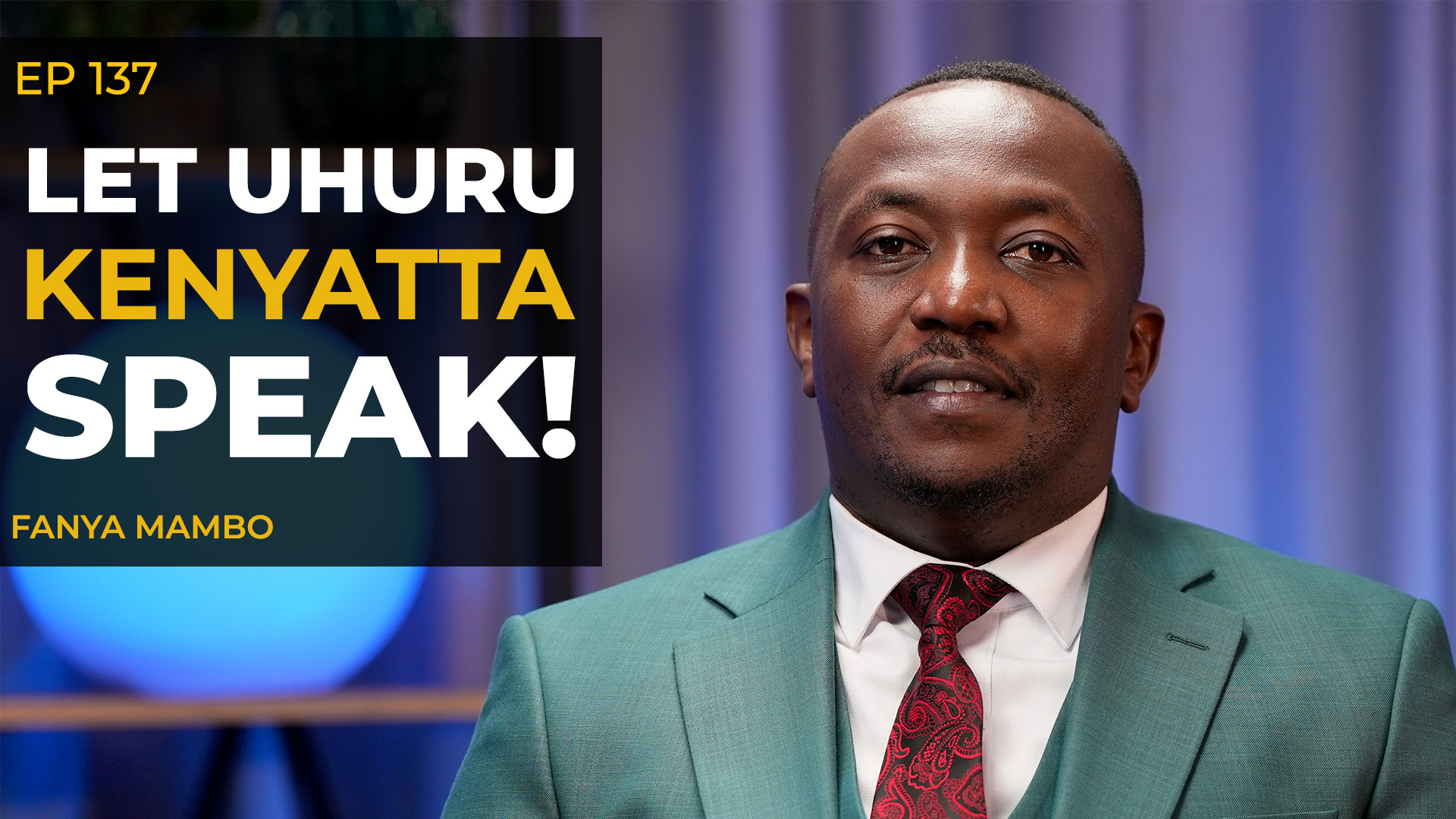

Democracy, Dissent, and the Right to Speak
In this episode of Mambo Africa, Fanya Mambo delivers a strong warning to East African leaders who appear uncomfortable with citizens speaking out, protesting, and demanding accountability.
The conversation opens with remarks made by Tanzania’s President Samia Suluhu on democracy, protests, and dissent within the region. Fanya strongly pushes back against the idea that citizens should be silenced when they disagree with their leaders, arguing that democracy is not a favour granted by presidents but a right belonging to the people.
According to Fanya, democracy gives citizens the right to tell leaders when they are right and, more importantly, when they are wrong. He argues that if a head of state cannot tolerate criticism from citizens, then the problem is not the citizens — it is the leader.
East African Leaders and Fear of Dissent
Fanya Mambo warns that suppressing dissent only creates deeper political tension. He argues that citizens need democratic spaces where they can vent, protest, speak online, organize, and express dissatisfaction without fear of punishment.
He cites Tanzania’s political climate as an example of what happens when people feel blocked from expressing themselves freely. In his view, when governments close spaces for public expression, they do not eliminate anger — they intensify it.
Fanya also cautions President William Ruto against borrowing authoritarian ideas from neighbouring countries, insisting that Kenyans have a long history of defending their rights and will not easily accept political oppression.
Kenya’s Long Fight for Human Rights
A major theme in the episode is Kenya’s historical struggle for human rights, constitutionalism, and democracy.
Fanya reminds viewers that Kenya’s democratic freedoms did not come easily. He points to the sacrifices of activists, religious leaders, politicians, students, and ordinary citizens who endured detention, police brutality, exile, and state repression to expand democratic space.
For him, the right to protest and speak truth to power is not something Kenyans should negotiate away. It is a right that was fought for and must be preserved across generations.
Finance Bills, Taxation, and Public Anger
The conversation also touches on the Finance Bill and the wider issue of taxation in Kenya.
Fanya argues that Kenyans have a right to protest laws and policies that make life harder. He says citizens cannot be expected to remain silent when a government introduces proposals that increase their cost of living, reduce disposable income, or undermine their ability to survive.
He frames protests not as lawlessness, but as part of democratic participation — especially when citizens feel Parliament has failed to represent their interests.
Land Laws and Government Greed
Fanya also raises concerns about proposed changes affecting land ownership, particularly the shift from freehold titles to leasehold arrangements.
In his view, such changes could fundamentally alter the relationship between citizens and ancestral land. He argues that land inherited through generations should not be treated as if citizens are merely renting from the government.
This concern reflects a broader theme in the episode: Fanya believes many government policies are driven less by public interest and more by revenue extraction from ordinary citizens.
Ruto’s Tanzania Refinery Remarks and Kenya’s Diplomacy
The episode also revisits President Ruto’s remarks about a proposed refinery in Tanzania, which President Samia Suluhu later appeared to distance herself from.
Fanya uses the issue to question Kenya’s diplomatic discipline and credibility. He argues that when a president speaks on foreign soil, those remarks are interpreted as representing the country — making accuracy and restraint extremely important.
In his view, careless international statements can damage Kenya’s diplomatic standing and create unnecessary confusion.
Education Capitation: 95 Shillings Per Child
One of the strongest moments in the conversation comes when Fanya reacts to education capitation figures showing allocations as low as 95 shillings per learner.
He criticizes the contradiction between heavy spending in elite government offices and the extremely low allocations to children in public schools. For Fanya, this reflects misplaced national priorities.
He argues that no serious country can claim to value education while allocating amounts that cannot meaningfully support textbooks, exercise books, stationery, or learning materials.
Mt Kenya Politics and Irungu Kang’ata’s Exit
The episode also examines the political shift in Mt Kenya, especially following Murang’a Governor Irungu Kang’ata’s decision to distance himself from UDA ahead of 2027.
Fanya interprets the move as politically significant, arguing that it signals wider discomfort within the region. He believes leaders leaving UDA create the impression that the party is weakening, especially in areas that were once considered central to President Ruto’s support base.
He also suggests that President Ruto’s repeated visits to Mt Kenya are not random, but informed by political intelligence showing where his support may be weakening.
Uhuru Kenyatta and the Right to Remain Politically Active
Fanya strongly defends former President Uhuru Kenyatta’s right to remain politically active.
He argues that retirement from the presidency does not mean the loss of constitutional rights. In his view, Uhuru still has the freedom to associate, speak, support a political party, and participate in national debate.
Fanya criticizes attempts to threaten retired presidents’ benefits because of political involvement, saying any law that violates constitutional freedoms would be unconstitutional.
Sifuna, Youth Leadership, and Opposition Politics
The conversation also turns to Nairobi Senator Edwin Sifuna and the growing calls for new generational leadership.
Fanya says Sifuna has the right to offer himself for leadership, but he advises him to listen carefully to citizens before making major political decisions. He argues that leadership should not be driven only by ambition but by what the people want.
He also stresses the need for balance between older and younger generations in opposition politics, saying the country needs both experience and new energy.
Voter Registration and the 2027 Election
Fanya strongly supports the push for voter registration, especially among young people.
He argues that civic anger must be converted into electoral power. Protests, online conversations, and political criticism matter — but without voter registration, citizens lose the most important tool for democratic change.
He also calls for the IBC voter registration process to be simplified, suggesting that registration should be made as easy as applying for passports, driving licenses, or logbooks through digital platforms.
Diaspora Voters and Kenya’s Future
The episode ends with a reflection on the role of Kenyans in the diaspora.
Fanya argues that diaspora voters matter because they send billions back home, support families, and still care deeply about Kenya’s future. He says they should be part of the 2027 conversation because many of them hope to retire in Kenya and want a country that works.
He encourages greater diaspora political participation, arguing that their votes and voices could help shape the direction of the country.
Conclusion: Democracy Belongs to the People
Fanya Mambo’s message in this episode is clear: democracy belongs to citizens, not leaders.
He warns East African governments against silencing dissent, challenges Kenyans to defend their constitutional rights, and urges voters to choose leaders who make systems work — from education and healthcare to governance and public finance.
As Kenya moves toward the 2027 elections, the episode frames one central question:
Will citizens use their voice and vote to defend democracy, or will they allow fear and political manipulation to shape the future?
Watch the full episode here: https://youtu.be/lsE-DtmO428

Leave a Reply