
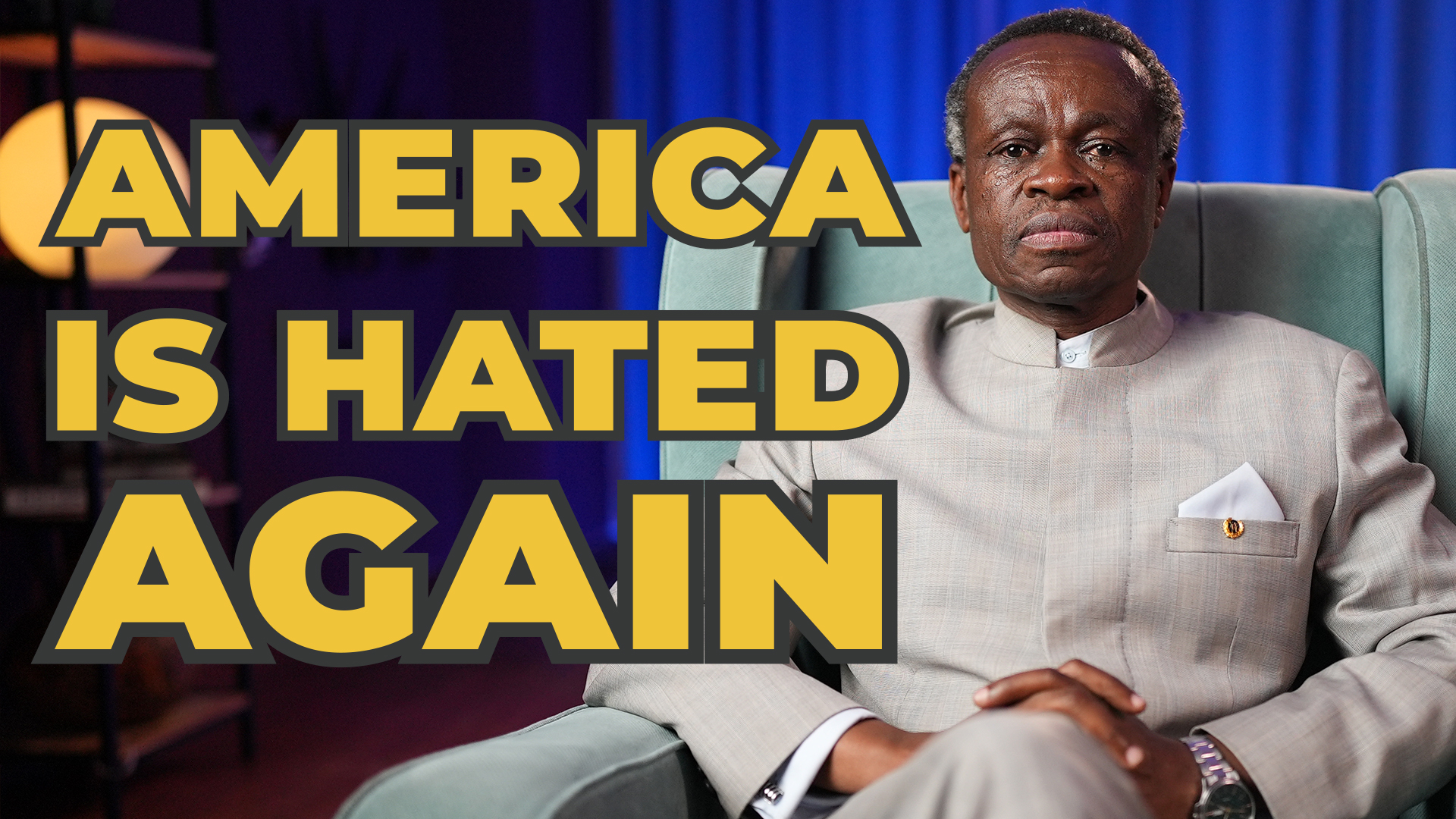

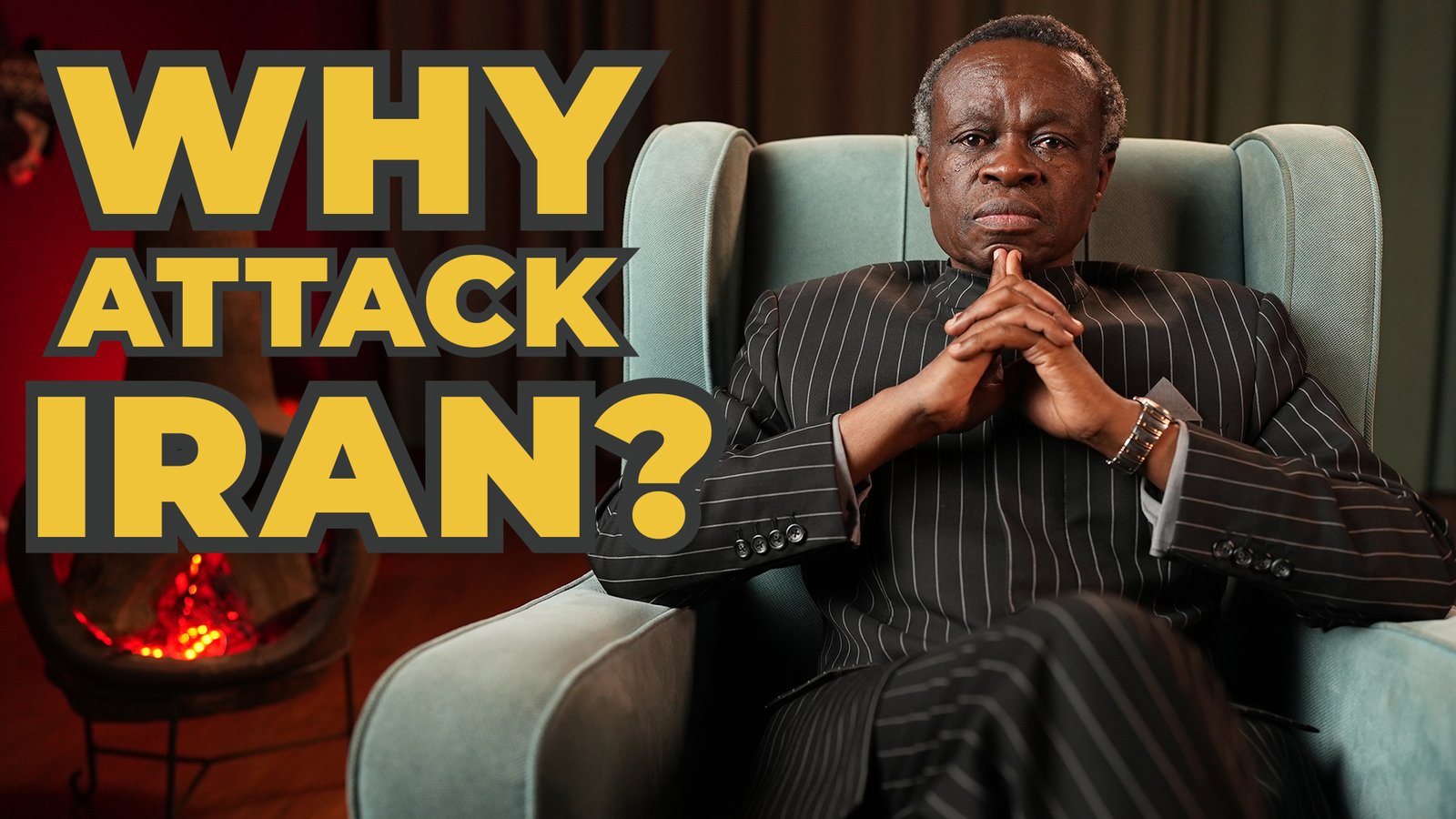
In a powerful new episode of PLO Lumumba Explain, Prof. PLO Lumumba delivers a sobering analysis of the ongoing conflict between Iran, the United States, and Israel — arguing that what was expected to be a short, decisive operation has instead evolved into a complex regional and global crisis.
At the center of his argument is a simple but profound claim: Iran was underestimated.
A War That Didn’t Go According to Plan
According to Lumumba, both Washington and Tel Aviv believed that their strikes would quickly destabilize Iran’s leadership. The assumption was that eliminating top figures, including Ayatollah Khamenei, would trigger internal collapse or mass uprising.
But that did not happen.
Instead, Iran demonstrated a highly structured leadership system — one that is capable of replacing leadership layers rapidly. What was expected to be a “head strike” strategy failed to dismantle the state.
Even more significant was the reaction of the Iranian population.
Rather than turning against the regime, many Iranians rallied around national pride. Lumumba points to moments like athletes abroad choosing to return home despite the risks — a symbolic gesture that transformed the conflict into a civilizational and national struggle.
The Strait of Hormuz: Iran’s Strategic Advantage
Perhaps the most critical development in this conflict is the situation in the Strait of Hormuz.
This narrow waterway carries 20–30% of the world’s oil supply, making it one of the most important economic chokepoints on the planet.
By effectively disrupting or closing Hormuz, Iran has shifted the battlefield from purely military confrontation to global economic warfare.
The consequences have been immediate:
- Rising oil and gas prices
- Increased shipping costs
- Disrupted supply chains
- Economic pressure across Asia, Europe, and Africa
Countries as far as South Korea and Japan are already feeling the strain. Even African nations are experiencing fuel shortages and price surges.
Lumumba emphasizes:
This is no longer just a war — it is an economic shock to the entire world.
The Blame Game in Washington and Tel Aviv
As the conflict intensifies, Lumumba observes growing tension within the US and Israeli leadership.
Statements from President Trump suggest shifting responsibility within his administration, while in Israel, dissatisfaction with Prime Minister Netanyahu is becoming more visible.
Lumumba suggests that:
- The US is beginning to look for a way out
- Israel appears more committed to continuing the war
- Internal political survival may be driving escalation
He describes the conflict as partly an “ego war”, where leadership decisions are shaped as much by personal and political pressures as by strategic calculation.
Europe and NATO: Reluctance to Escalate
Unlike previous conflicts, Europe and NATO have shown unusual hesitation.
Lumumba explains that this reluctance is rooted in economic reality:
- Europe depends heavily on Middle Eastern energy
- Any escalation threatens already fragile economies
- The war’s proximity makes Europe far more vulnerable than the United States
While the US can operate from a distance, Europe faces direct consequences — from energy shortages to economic contraction.
This has created a clear divide between American assertiveness and European caution.
A Strategic War Beyond the Middle East
Lumumba also introduces a broader geopolitical dimension.
He suggests that the conflict may not be limited to Iran alone but could be part of a larger strategy involving:
- China, which depends on Middle Eastern oil
- Russia, whose energy influence remains significant
- BRICS, an emerging economic bloc challenging Western dominance
By destabilizing Iran and controlling energy flows, the United States could potentially reshape global economic balances — particularly by putting pressure on China’s supply chains.
Africa’s Moment: Crisis as Opportunity
While the immediate impact on Africa is negative — rising fuel costs, economic pressure, and instability — Lumumba sees a long-term opportunity.
He argues that Africa must:
- Build a continental energy network
- Invest in its own oil and gas infrastructure
- Reduce dependence on external supply chains
- Leverage the African Continental Free Trade Area
Africa, he says, has the resources — from Nigeria to Angola, from Libya to Tanzania — to achieve energy independence.
This crisis could serve as a wake-up call.
The Risk of Escalation
Despite signs of fatigue, the conflict remains volatile.
Lumumba outlines two possible scenarios:
1. De-escalation
- Ceasefire agreements
- Negotiations mediated by regional actors
- Gradual stabilization
2. Escalation
- Expanded regional war
- Greater involvement of NATO or European forces
- Potential use of extreme military options
He warns that miscalculations — even a single misstep — could push the situation beyond control.
Conclusion: A War That Changed the Equation
The most important takeaway from Lumumba’s analysis is this:
The assumptions that guided this war have already been proven wrong.
Iran did not collapse.
The conflict did not remain contained.
And the economic consequences have spread far beyond the battlefield.
The question now is no longer how the war began — but how it will end.
And whether the world can afford the cost of finding out.
📺 Watch the full episode:
👉 https://youtu.be/iSc4g1SvJCk

Leave a Reply