
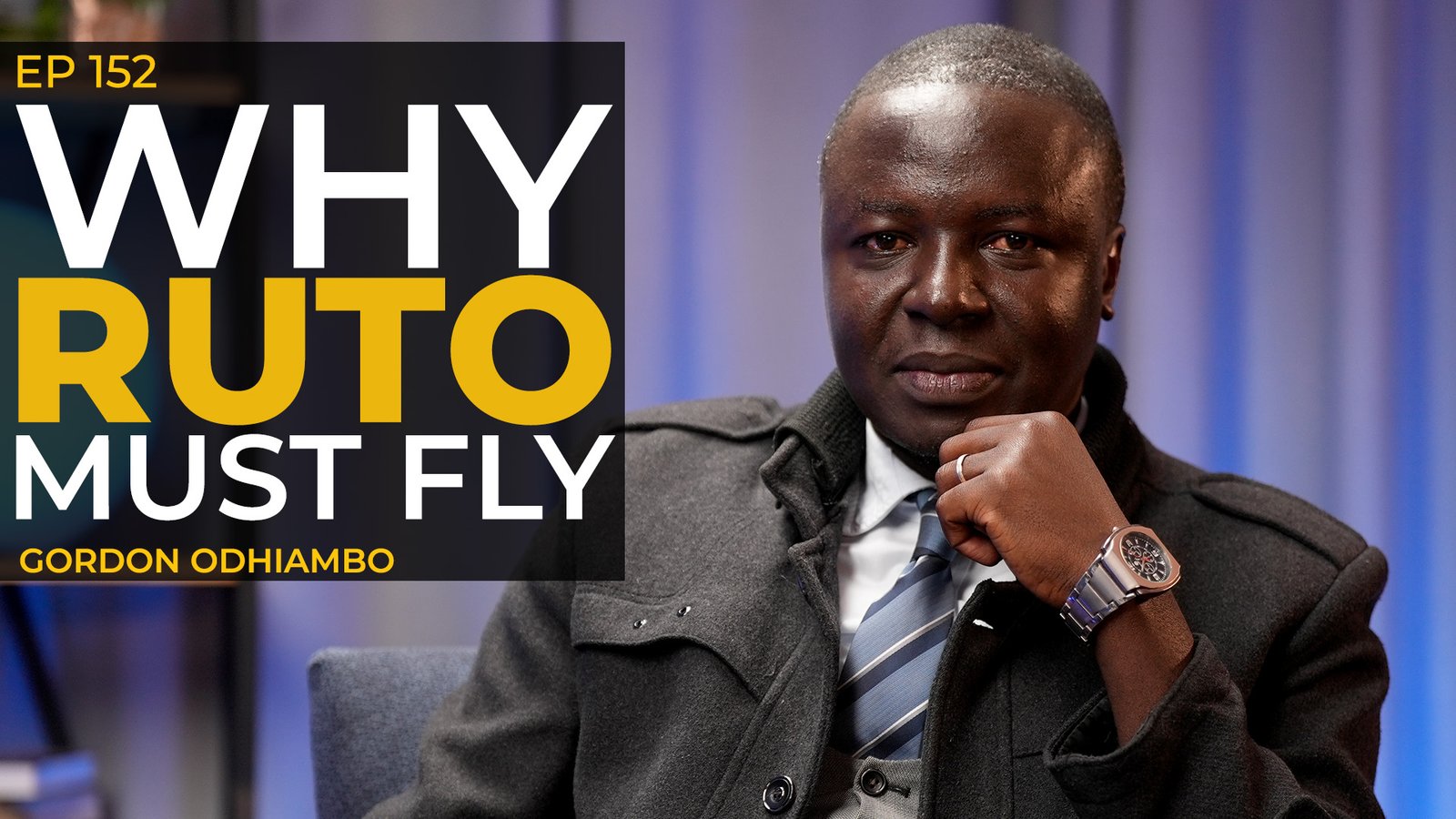

Meta Description: Gordon Odhiambo explains why President William Ruto has made more than 90 foreign trips since taking office, examining diplomacy, bilateral relations, investment, trade and Kenya’s foreign policy.
Suggested URL Slug:why-president-ruto-keeps-flying-abroad-diplomacy-foreign-trips
Focus Keywords:
William Ruto foreign trips, Kenya diplomacy, Kenya foreign policy, bilateral agreements, presidential travel, Gordon Odhiambo, international relations Kenya
Why President William Ruto Travels So Much
Since assuming office in September 2022, President William Ruto has made more than 90 international trips, making him one of Kenya’s most traveled presidents in recent history.
The frequency of these visits has generated significant public debate.
Supporters argue that international engagement is an essential responsibility of any Head of State, while critics question whether the economic benefits justify the cost, especially at a time when many Kenyans are struggling with the high cost of living.
In a detailed discussion on Mambo Africa, political analyst Gordon Odhiambo explains why presidential travel should not simply be viewed as expenditure, but as an important component of modern diplomacy.
Watch the full episode:
https://youtu.be/t0zTRoSr1Po
Diplomacy Is More Than Attending Meetings
According to Gordon Odhiambo, many citizens only see photographs of presidents shaking hands or attending conferences abroad.
What often remains invisible is the diplomatic work that happens before, during and after those meetings.
He explains that diplomacy is built on relationships.
Heads of State meet not only to attend international summits but to establish trust, negotiate bilateral agreements, resolve regional disputes and position their countries strategically in global affairs.
In today’s interconnected world, these relationships often influence trade, investment, security cooperation and development financing.
Why Bilateral Relationships Matter
Odhiambo argues that personal relationships between presidents and prime ministers still matter significantly in international politics.
Governments may change, but strong diplomatic relationships often make negotiations easier when discussing:
- Trade agreements
- Infrastructure financing
- Security cooperation
- Tourism promotion
- Technology partnerships
- Educational exchanges
- Regional peace initiatives
According to him, presidents represent their countries at the highest diplomatic level, making face-to-face engagement an important part of foreign policy.
The Cost Debate
Despite acknowledging the importance of diplomacy, Odhiambo recognizes why many Kenyans question the growing number of presidential trips.
The country continues to face:
- Rising public debt
- High taxation
- Cost of living pressures
- Unemployment
- Budget constraints
In such an environment, citizens naturally ask whether every foreign trip delivers measurable value.
Odhiambo believes this concern is legitimate.
However, he argues that evaluating diplomacy purely by travel costs ignores the long-term nature of international relations.
Some agreements may take years before citizens experience their economic impact.
Why Citizens Need Better Communication
One of Odhiambo’s strongest criticisms is directed not at diplomacy itself but at government communication.
He argues that many Kenyans remain unconvinced because government institutions rarely explain:
- Why a trip was necessary
- Which agreements were signed
- What benefits Kenya expects
- How citizens will eventually benefit
According to him, foreign policy should not remain an elite conversation.
Citizens deserve regular updates on the objectives and outcomes of major diplomatic engagements.
Greater transparency, he believes, would improve public confidence.
Kenya’s Place in Regional Diplomacy
The discussion also highlights Kenya’s important position within East Africa.
As one of the region’s largest economies, Kenya plays a major diplomatic role in:
- The East African Community (EAC)
- The African Union
- IGAD
- United Nations diplomacy
- Regional peace efforts
Odhiambo explains that Kenya cannot afford diplomatic isolation.
Maintaining strong relationships with neighboring countries remains essential for regional trade, security and economic integration.
Global Partnerships Beyond Africa
Kenya’s diplomacy increasingly involves balancing relationships with multiple global powers.
The conversation examines Kenya’s interactions with:
- China
- United States
- European Union
- Russia
- Gulf countries
- International financial institutions
Rather than viewing diplomacy as choosing one side over another, Odhiambo argues that successful foreign policy requires pursuing Kenya’s national interests while maintaining constructive relationships across different regions.
Investment and Trade Opportunities
Foreign travel also creates opportunities to market Kenya internationally.
Odhiambo points out that presidential visits often include:
- Business forums
- Investment conferences
- Tourism promotion
- Bilateral trade discussions
- Technology partnerships
While not every meeting results in immediate investment, consistent engagement helps position Kenya as an attractive destination for business.
He argues that economic diplomacy has become one of the most important responsibilities of modern presidents.
Public Expectations
Despite recognizing the importance of diplomacy, Odhiambo acknowledges that citizens judge foreign trips based on their daily lives.
Many Kenyans ask practical questions:
- Are jobs increasing?
- Is investment growing?
- Is the economy improving?
- Are businesses benefiting?
- Is the cost of living coming down?
Unless diplomatic successes eventually translate into improvements at home, skepticism will remain.
The Politics of Foreign Policy
The interview also explores how foreign policy has increasingly become part of domestic political debate.
Opposition leaders often criticize the number of presidential trips, while government officials defend them as necessary for Kenya’s international standing.
Odhiambo believes both sides have valid concerns.
The challenge is balancing fiscal responsibility with the realities of global diplomacy.
Conclusion
President William Ruto’s international travel continues to divide public opinion.
For critics, the trips symbolize excessive government spending during difficult economic times.
For supporters, they represent essential diplomatic work that strengthens Kenya’s global position and creates long-term economic opportunities.
Gordon Odhiambo argues that the real issue is not simply how often the President travels, but whether government effectively communicates the value of those trips and ensures that diplomatic engagement ultimately benefits ordinary Kenyans.
As Kenya continues expanding its global partnerships, public accountability and transparent communication will remain just as important as diplomacy itself.

Leave a Reply