
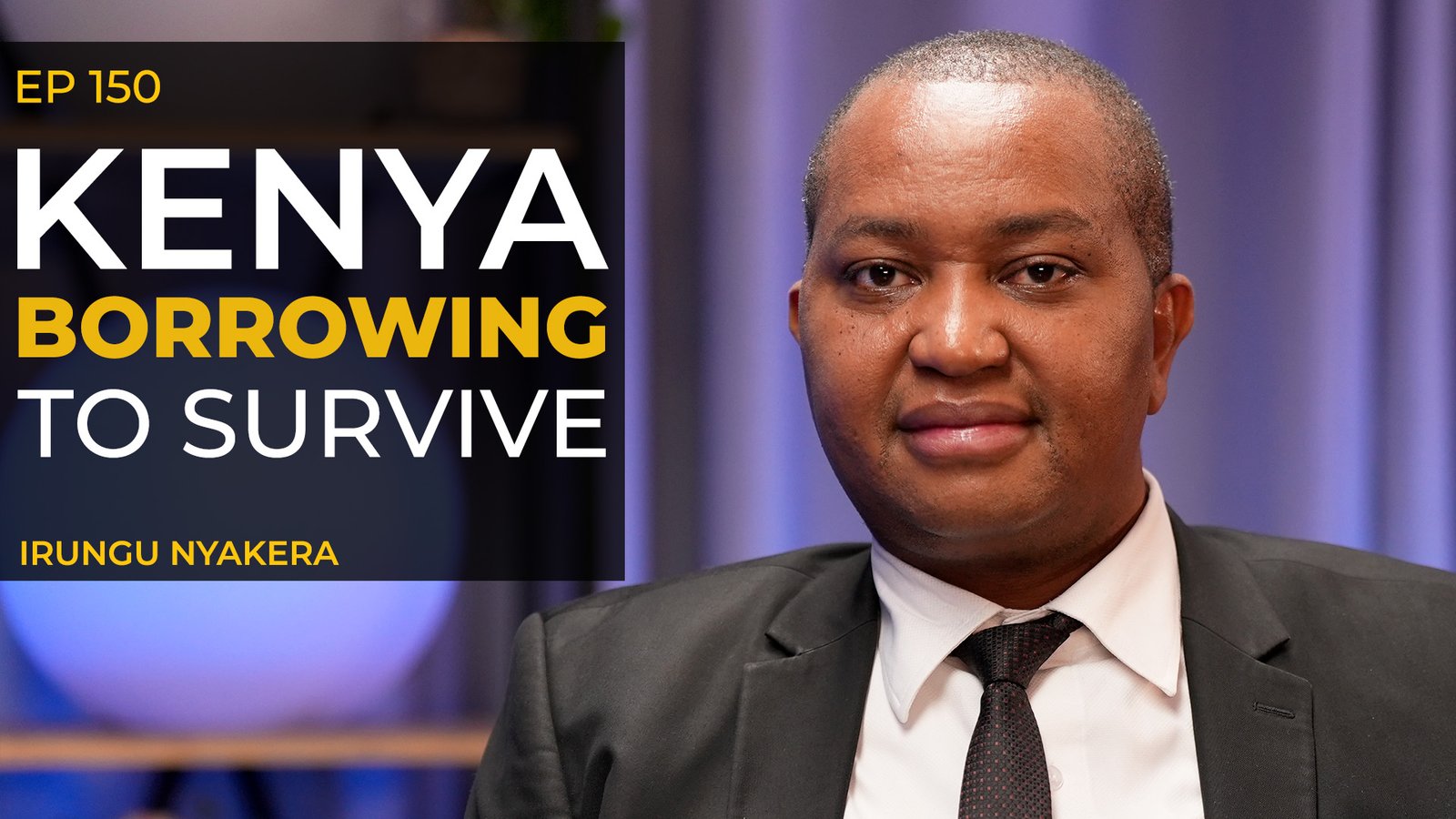

Nyakera Says Kenya’s Biggest Threat Is Not Politics, But Economic Mismanagement
Politician and public policy commentator Irungu Nyakera has issued a stark warning about Kenya’s political and economic direction, arguing that excessive borrowing, corruption, poor governance and political intimidation are pushing the country toward deeper economic hardship.
Speaking on Mambo Africa, Nyakera criticized the government’s handling of public finances and accused political leaders of focusing on short-term political survival instead of long-term national development.
According to him, ordinary Kenyans are increasingly bearing the cost of policy decisions that prioritize borrowing and political interests over economic growth and public welfare.
Watch the full episode here:
https://youtu.be/Ws_7K5Dp-64
Political Goons and the Shrinking Democratic Space
One of the major concerns raised by Nyakera was the growing use of political goons at public gatherings and political events.
He argued that democratic participation becomes difficult when citizens fear intimidation, violence or disruption whenever they seek to engage in political discourse.
According to Nyakera, the normalization of organized political violence damages democracy and weakens public confidence in institutions.
He warned that if political competition increasingly relies on fear rather than ideas, Kenya risks undermining the democratic gains achieved over decades.
For him, leadership should be about persuasion and public service—not intimidation.
Why Kenya’s Debt Burden Continues to Grow
Nyakera devoted significant attention to Kenya’s debt situation, describing public borrowing as one of the biggest threats to economic stability.
He argued that the government’s dependence on debt has created a dangerous cycle where more resources are spent servicing obligations rather than funding productive sectors of the economy.
According to Nyakera, every new borrowing decision creates future obligations that taxpayers eventually have to shoulder.
He warned that unless borrowing is controlled, Kenya risks entering a situation where economic growth is slowed by debt servicing requirements and limited fiscal space.
The concern, he explained, is not merely the existence of debt, but the manner in which debt is accumulated and utilized.
A Punitive Budget for Ordinary Citizens?
Nyakera was particularly critical of the latest budget framework, describing it as punitive for ordinary Kenyans.
He argued that many citizens are already struggling with a high cost of living, limited job opportunities and increasing economic uncertainty.
According to him, policies that place additional financial pressure on households without corresponding improvements in services only deepen public frustration.
He questioned whether government priorities truly reflect the needs of citizens and challenged policymakers to focus on economic growth, productivity and job creation.
For Nyakera, a successful budget should stimulate economic activity rather than burden citizens who are already under pressure.
Domestic Borrowing and Its Hidden Consequences
A key theme in the discussion was domestic borrowing.
Nyakera argued that when government borrows heavily from local financial institutions, it reduces access to affordable capital for businesses and entrepreneurs.
This process, often referred to as crowding out, makes it harder for private sector players to obtain financing for expansion, investment and job creation.
According to him, many Kenyan businesses are struggling not because they lack ideas or opportunities, but because access to capital has become increasingly difficult.
The long-term effect, he warned, is slower economic growth and reduced opportunities for young people entering the workforce.
Parliament Under Fire
Nyakera also directed criticism at Parliament, accusing many legislators of failing to adequately represent the interests of the people.
He argued that Parliament’s constitutional responsibility is to provide oversight and protect public resources, yet many lawmakers have become too comfortable approving policies without sufficiently scrutinizing their consequences.
According to him, stronger parliamentary oversight would improve accountability, transparency and public confidence in government.
He challenged voters to pay closer attention to the performance of their elected representatives rather than focusing solely on presidential politics.
Corruption and Public Resources
Corruption remains one of the recurring themes in Kenya’s governance debates, and Nyakera believes it continues to undermine economic progress.
He argued that resources that should be invested in development, infrastructure, healthcare and education are too often lost through inefficiency, waste and corrupt practices.
For him, fighting corruption is not simply a moral issue—it is an economic necessity.
Every shilling lost through corruption, he argued, reduces the government’s ability to provide services and improve citizens’ quality of life.
Why 2027 Matters
Looking ahead to the 2027 General Election, Nyakera believes Kenyans will face an important decision about the country’s future.
He urged citizens to evaluate leaders based on performance, competence and integrity rather than tribal loyalties, political slogans or short-term promises.
According to him, elections should be opportunities to correct mistakes and demand better governance.
He argued that unless voters become more demanding and more informed, the cycle of poor leadership and economic challenges will continue.
For Nyakera, 2027 is not simply another election—it is a referendum on the kind of country Kenyans want to build.
A Call for Accountability
Throughout the conversation, Nyakera emphasized accountability as the foundation of good governance.
He argued that citizens must actively monitor government actions, demand transparency and insist on responsible management of public resources.
Democracy, he noted, does not end at the ballot box.
It requires continuous engagement from citizens, institutions and leaders committed to serving the public interest.
Conclusion
Irungu Nyakera’s message is ultimately one of warning and responsibility.
He believes Kenya’s biggest challenges are not inevitable. They are the result of decisions made by leaders and tolerated by citizens.
From political violence and corruption to excessive borrowing and economic mismanagement, Nyakera argues that the solutions already exist—but they require political will and public accountability.
As Kenya moves closer to the 2027 elections, his challenge to citizens is simple:
Choose leaders carefully, demand accountability relentlessly and never surrender the responsibility of protecting the country’s future.

Leave a Reply